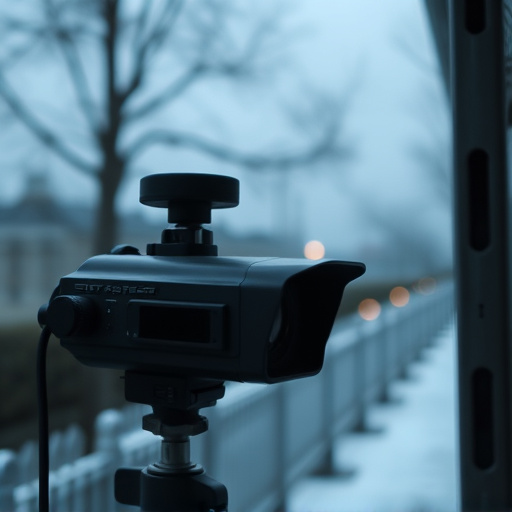
In an era of heightened privacy concerns, Hidden Camera Detection Devices (HCDD) are vital tools for securing personal and professional spaces from covert surveillance. This comprehensive guide offers a comparison of HCDD technologies, including thermal imaging, UV light, and RF signal detection, highlighting their unique strengths. By evaluating factors like sensitivity, range, and ease of use, users can select the best HCDD to protect against increasingly sophisticated spy lenses hidden in everyday reflective surfaces.
In today’s digital age, privacy concerns have escalated with the proliferation of hidden cameras. Understanding how to detect spy lens reflections is paramount for maintaining home security. This article guides you through the intricacies of identifying these clandestine devices, focusing on three key sections:
1. Understanding Spy Lens Reflections: We explore common places and detection methods for these covert cameras.
2. Home Security Solutions: We compare popular hidden camera detection devices to help you make informed choices.
3. Advanced Technologies: Discover cutting-edge tools for identifying and preventing spy cameras, ensuring a safer home environment.
- Understanding Spy Lens Reflections: Common Places and Detection Methods
- Home Security Solutions: Popular Hidden Camera Detection Devices Compared
- Advanced Technologies for Spy Camera Identification and Prevention
Understanding Spy Lens Reflections: Common Places and Detection Methods
Spy lens reflections, often hidden within everyday objects like mirrors, windows, or even digital screens, pose a significant challenge for privacy advocates and security professionals alike. These sophisticated devices, designed to capture images discreetly, can go unnoticed for extended periods, making their detection a complex task. Understanding where these hidden cameras might be located and employing the right tools are essential steps in their successful identification.
Common areas that warrant scrutiny include high-traffic spaces like offices, common areas within buildings, and residential rooms with reflective surfaces. Detection methods range from manual inspection using specialized devices to advanced software algorithms that can analyze images for telltale signs of lens reflections. A comprehensive approach involves comparing various Hidden Camera Detection Devices, each with unique capabilities—from visual inspection tools to thermal imaging cameras—to ensure comprehensive coverage in identifying these increasingly sophisticated surveillance mechanisms.
Home Security Solutions: Popular Hidden Camera Detection Devices Compared
In today’s digital age, hidden camera detection devices have become an essential part of home security solutions. These innovative tools are designed to uncover covert surveillance equipment, offering peace of mind for homeowners. When comparing popular hidden camera detection devices, several key features stand out. One prominent option is the thermal imaging camera, which detects heat signatures, making it effective in identifying small, discreet cameras. Another powerful tool is the UV light detector, capable of revealing hidden cameras with its unique light spectrum.
Additionally, radio frequency (RF) signal detectors are highly sought after for their ability to pinpoint the location of wireless cameras. These devices intercept and analyze RF signals, making them invaluable for thorough inspections. Each detection method has its strengths and specialized applications, catering to diverse security needs. The comparison highlights the importance of understanding these technologies to make informed decisions regarding home security and protect against potential privacy breaches.
Advanced Technologies for Spy Camera Identification and Prevention
In today’s digital age, advanced technologies have emerged to combat the growing concern of hidden camera detection and prevention. One of the most innovative approaches is the development of specialized devices designed to identify spy lenses and protect against covert surveillance. These gadgets utilize a combination of advanced sensors, algorithms, and image processing techniques to detect even the smallest and most discreetly placed cameras.
When it comes to comparing Hidden Camera Detection Devices, several factors come into play. Some devices employ thermal imaging to spot the heat signatures of hidden lenses, while others use advanced optical sensors to analyze light patterns and anomalies. There are also handheld scanners that can actively seek out signals from spy cameras, making them versatile tools for both professional security experts and privacy-conscious individuals. A thorough comparison should consider sensitivity, detection range, ease of use, and compatibility with various environments and situations, ensuring the chosen device offers comprehensive protection against these modern-day threats.
In the battle against hidden cameras, understanding reflection detection techniques is key. From common placement insights to advanced technologies, this article has equipped readers with valuable knowledge. When it comes to Hidden Camera Detection Devices Comparison, various solutions exist, each with its strengths and weaknesses. By integrating these methods into home security measures, individuals can create a more secure environment, ensuring peace of mind in their living spaces.