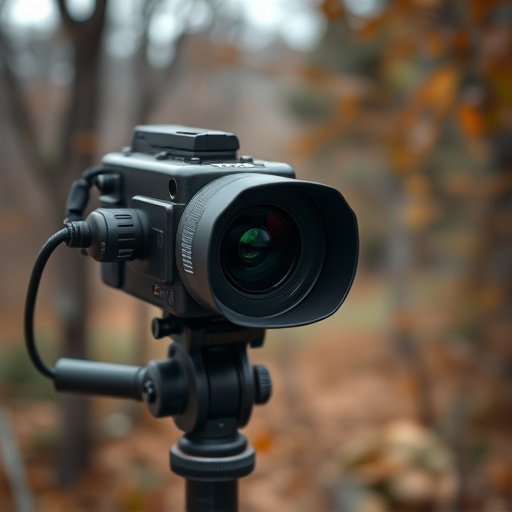
Hidden camera and microphone detection is vital for safeguarding privacy. Modern tools like electromagnetic field sensors and thermal imaging cameras offer non-invasive, advanced solutions compared to traditional methods. Choosing the right device involves matching needs with features like sensitivity, range, and user reviews. Effective sweeping requires strategic placement, software updates, and continuous optimization to balance accuracy and false positives. Key factors in comparison include technology, ease of use, and portability, with models catering to specific requirements for comprehensive bug sweeping.
“Uncover hidden threats in your home with microphone bug sweeping detection techniques. Understanding the basics of hidden camera and microphone bugs is the first step towards a safer environment. This comprehensive guide explores various types of detection devices, offering insights on choosing the right equipment for your needs.
Learn how to set up and use these tools effectively, and gain an in-depth look at popular home microphone bug sweeping devices through our detailed comparison, including a range of hidden camera detection devices. Stay informed and take control with these essential tools.”
- Understanding Microphone Bug Sweeping: The Basics
- Types of Microphone Bug Detection Devices
- How to Choose the Right Hidden Camera and Microphone Detector
- Setting Up and Using Your Microphone Bug Sweeping Device Effectively
- Comparing Popular Home Microphone Bug Sweeping Devices
Understanding Microphone Bug Sweeping: The Basics
Microphone bug sweeping, also known as audio surveillance or hidden microphone detection, is a critical process aimed at identifying and neutralizing covert listening devices that could be hidden within a space. These devices, often referred to as bugs or wiretaps, are designed to capture sensitive conversations without the knowledge of those involved. Understanding how these bugs operate and employing effective sweeping techniques is essential for maintaining privacy and security in both personal and professional settings.
When it comes to detection, comparing hidden camera detection devices pales in significance to advanced microphone bug sweeping tools. Traditional methods often involve manual searches and auditory inspections, but modern technology offers more sophisticated solutions. Specialized equipment, such as electromagnetic field (EMF) detectors and audio analyzers, can pinpoint the presence of hidden microphones by detecting anomalies in radio frequency emissions or peculiarities in sound patterns. This non-invasive approach ensures thoroughness while minimizing disruption, making it a preferred method for professionals in fields like security, law enforcement, and privacy protection.
Types of Microphone Bug Detection Devices
Microphone bug detection devices come in various forms, each with its own strengths and applications. One type relies on electromagnetic fields to detect active bugs, providing a non-invasive method to uncover hidden microphones. These devices are particularly useful for home use due to their ease of operation and ability to alert users without disturbing the environment.
In contrast, thermal imaging cameras excel at identifying heat signatures indicative of covert listening devices. While not specifically designed for microphone bugs, they offer a comprehensive visual scan, making them valuable tools in a hidden camera detection devices comparison. Combining such technologies gives homeowners an effective toolkit to safeguard their privacy and identify potential security breaches.
How to Choose the Right Hidden Camera and Microphone Detector
When selecting a hidden camera and microphone detector, understanding your specific needs is crucial. These devices range from simple DIY kits to advanced professional tools, each with unique features. Start by comparing different types based on sensitivity—some are designed to detect even the tiniest micro-cameras and microphones hidden in common objects like clocks or power strips. Next, consider detection range: whether you need a device that can scan a room or just focus on specific items. Portability is another factor; for instance, some detectors are handheld while others require installation.
Moreover, look into the types of signals they can detect—RF (radio frequency) and infrared (IR) being common—and any additional features like audio recording capabilities or real-time alerts. Reading reviews from users who have similar requirements will help you make an informed choice that aligns with your privacy protection goals.
Setting Up and Using Your Microphone Bug Sweeping Device Effectively
Setting up and utilizing your microphone bug sweeping device effectively involves a few key steps. Begin by ensuring your device is compatible with your system and has the necessary sensors to detect hidden cameras or listening devices. Compare various Hidden Camera Detection Devices to find one that offers optimal sensitivity, range, and ease of use. Position the device strategically in areas prone to surveillance, such as corners, behind furniture, or near windows. Regularly update the device’s software to access the latest detection algorithms and ensure compatibility with new technologies.
During operation, stay alert for any unusual sounds or signals emitted by the device. Familiarize yourself with common audio cues that might indicate a hidden microphone or camera, such as high-pitched beeps, static noise, or distant whispers. Adjust sensitivity settings to avoid false positives while ensuring you capture potential threats. Periodically test the device’s effectiveness by conducting mock sweeps to familiarize yourself with its capabilities and limitations in various environments.
Comparing Popular Home Microphone Bug Sweeping Devices
When it comes to comparing popular home microphone bug sweeping devices, several factors come into play. Firstly, consider the technology they employ; some use advanced RF (Radio Frequency) detection to identify wireless bugs, while others focus on audio cues and pattern recognition. Devices like the Bug Sweeper Pro and Signal Tracer 3000 are renowned for their robust RF capabilities, making them effective against hidden camera detection devices with minimal false positives.
In terms of ease of use, some models offer intuitive interfaces with real-time displays, making it simpler to identify and locate bugs. The Mini Bug Detector and GPS-Enabled Tracker stand out here, providing users with a clear picture of the device’s activity and location. Moreover, portability is another key aspect; lightweight and compact devices are easier to carry around and can be quickly deployed in various areas of your home, ensuring comprehensive bug sweeping coverage.
In the digital age, privacy concerns have led to advancements in hidden camera and microphone detection devices. This article has guided readers through understanding microphone bug sweeping, exploring different device types, and offering tips for selection and usage. From basic techniques to advanced comparisons of popular home devices, it’s evident that staying informed about these tools is essential for safeguarding personal spaces. By considering factors like sensitivity, range, and ease of use, individuals can make informed choices to protect their homes from unwanted surveillance, ensuring peace of mind in today’s interconnected world.