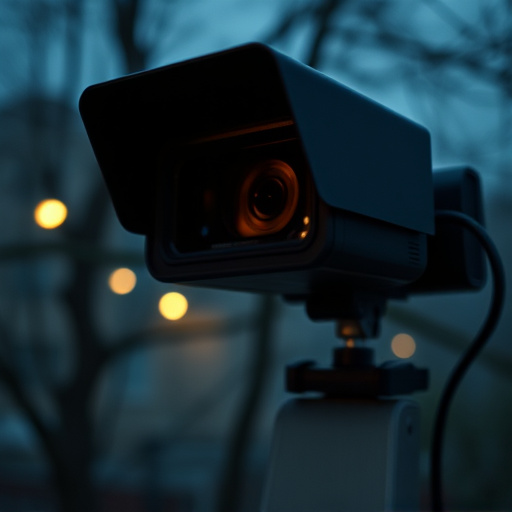
Selecting Hidden Camera Detection Devices requires understanding various techniques like infrared heat signature analysis and RF signal detection. Key factors include sensitivity, range, false positive rates, and ease of use. Advanced cameras offer high accuracy but complexity, while others balance performance and usability. Effective installation involves 3D mapping, thermal imaging, and staying within legal boundaries to minimize privacy intrusion. Choosing between advanced cameras and basic detection devices depends on surveillance needs, with regular maintenance crucial for successful networks.
“Uncovering the unseen: Navigating the world of covert camera networks requires a nuanced approach. This comprehensive guide delves into the best practices for installation, offering a detailed comparison of hidden camera detection devices. From understanding advanced technologies that safeguard privacy to assessing physical spaces and legal considerations, this article provides an insightful toolkit. Learn how to place cameras effectively while respecting rights, maintain systems for optimal performance, and stay ahead in the digital age’s security landscape.”
- Understanding Hidden Camera Detection Technologies
- Assessing Location and Layout for Camera Placement
- Legal Considerations and Privacy Rights
- Advanced Cameras vs. Basic Detection Devices
- Regular Maintenance and System Updates
Understanding Hidden Camera Detection Technologies
Hidden camera detection technologies have evolved significantly, offering a range of devices designed to uncover covert surveillance equipment. These tools employ various techniques, from visual inspection to advanced electromagnetic signature analysis. Among common methods are infrared cameras that can detect heat signatures from camera components, and RF (radio frequency) detectors capable of picking up signals emitted by specific types of hidden cameras.
When comparing Hidden Camera Detection Devices, factors like sensitivity, detection range, false positive rates, and ease of use play crucial roles. Some devices claim to offer unparalleled accuracy, but they might be bulky and complex to operate. Others strike a balance between performance and user-friendliness. A thorough understanding of these technologies is essential for selecting the best device(s) tailored to specific needs, ensuring effective covert camera network installation best practices.
Assessing Location and Layout for Camera Placement
When planning a covert camera network installation, assessing the location and layout is a critical step. It involves understanding the physical space, identifying potential blind spots, and considering factors like lighting and line-of-sight obstructions. A thorough analysis ensures optimal camera placement for maximum coverage and minimal detection risk. Tools like 3D mapping and thermal imaging can aid in this process, providing detailed insights into the environment.
Comparing Hidden Camera Detection Devices is essential to stay ahead of evolving technology. These devices help identify existing cameras or record unusual activities that might indicate hidden surveillance. From advanced infrared sensors to AI-driven analytics software, various options are available. Selecting the right detection tools depends on the specific needs and budget, ensuring comprehensive coverage without compromising privacy and security measures.
Legal Considerations and Privacy Rights
When considering a covert camera network installation, it’s crucial to understand and respect legal considerations and privacy rights. The use of hidden cameras is heavily regulated, with laws varying significantly across jurisdictions. It’s essential to consult local legislation to ensure compliance, as violations can lead to severe penalties.
One critical aspect involves the balance between security needs and individual privacy. While these devices can be powerful tools for surveillance, their deployment must adhere to ethical boundaries. A thorough comparison of hidden camera detection devices can help identify solutions that minimize privacy intrusion while still providing effective monitoring. This ensures that the installation practices maintain a responsible and legal framework.
Advanced Cameras vs. Basic Detection Devices
When considering a covert camera network installation, one key decision lies in the choice between advanced cameras and basic detection devices. Advanced cameras, often known for their high-resolution capabilities and sophisticated features, offer unparalleled image quality and detailed insights. These devices can capture clear footage from far distances, making them ideal for strategic placement. On the other hand, basic detection devices are designed more for presence detection than detailed surveillance. They may include passive infrared (PIR) sensors or motion detectors that trigger alerts when activity is sensed. While less sophisticated, these devices are cost-effective and can be effective in specific scenarios where continuous video monitoring isn’t necessary.
The comparison between advanced cameras and basic detection devices ultimately depends on the purpose and scope of surveillance needs. Advanced cameras excel at providing comprehensive visual data for detailed analysis, making them suitable for large-scale operations or environments requiring meticulous observation. Basic detection devices, conversely, are better suited for smaller-scale applications where quick alerts about unusual activity are more important than high-fidelity video footage.
Regular Maintenance and System Updates
Regular maintenance and system updates are vital components of a successful covert camera network installation. To stay ahead of advancements in hidden camera detection, regularly update your software and hardware. A robust security system should incorporate features that allow for remote monitoring and notification systems, enabling swift action against any detected cameras.
When comparing Hidden Camera Detection Devices, consider options that offer real-time alerts, thermal imaging capabilities, and advanced algorithm-based detection. Regular maintenance also includes keeping all components up to date with the latest firmware patches to ensure optimal performance and security. This proactive approach will help protect privacy and maintain the integrity of your surveillance network.
When implementing a covert camera network, adhering to best practices ensures optimal security without infringing on privacy rights. Understanding advanced hidden camera detection technologies, carefully assessing physical spaces, staying within legal boundaries, and regularly maintaining systems are key. A comparison of basic vs. advanced detection devices highlights the evolving landscape of surveillance technology. By balancing these factors, organizations can create a robust network that protects sensitive areas while respecting individual privacy.