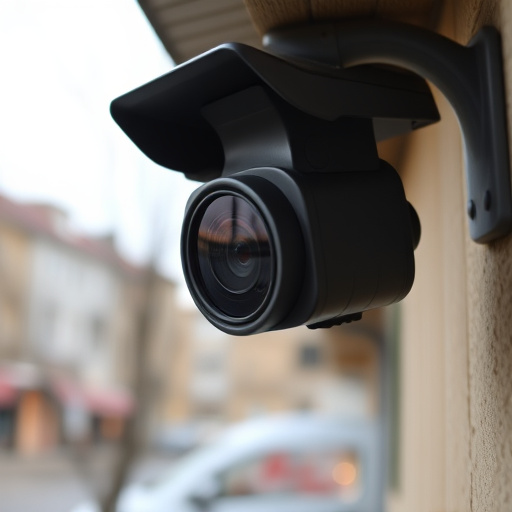
Hidden Camera Detection Devices (HCDD) leverage diverse tech like PIR sensors and AI algorithms to identify surveillance equipment. Comparing HCDD capabilities is vital, considering their strengths and weaknesses. Thermal imaging excels in low light, motion sensors offer quick alerts, and AI analytics analyze video feeds. Strategic placement, using devices near windows or corners indoors, minimizes false alerts. Wireless security and updates ensure ongoing effectiveness. A comparative analysis of resolution, field of view, and infrared capabilities is key to selecting the right HCDD for discreet yet effective security.
“Uncover the secrets behind discreet surveillance with our comprehensive guide on hidden camera detection equipment placement. In an era where privacy concerns are paramount, understanding advanced detection technologies becomes essential. This article delves into the world of hidden camera detection devices, offering a detailed comparison to aid your decision-making process. From identifying placement strategies to overcoming challenges, we equip you with the knowledge to navigate this intricate landscape, ensuring both effectiveness and discretion.”
- Understanding Hidden Camera Detection Technologies
- Evaluating Popular Detection Devices: Features Compared
- Effective Placement Strategies for Discreet Surveillance
- Overcoming Challenges: Tips for Successful Implementation
Understanding Hidden Camera Detection Technologies
Hidden camera detection technologies have evolved significantly, offering a range of solutions for identifying surveillance equipment in various settings. At their core, these devices operate based on different principles and detection methods. One common approach involves utilizing specialized sensors that can detect the heat signature or electromagnetic radiation emitted by cameras, providing an effective means to locate hidden devices.
When comparing Hidden Camera Detection Devices, several factors come into play. Some devices rely on passive infrared (PIR) sensors, which are sensitive to body heat but may struggle with high-tech hidden cameras that produce minimal heat signatures. Others employ advanced digital signal processing algorithms to analyze visual patterns and detect camera lenses or unusual light patterns. This comparison highlights the importance of understanding the capabilities and limitations of each technology to ensure comprehensive security measures against disguised recording equipment.
Evaluating Popular Detection Devices: Features Compared
When it comes to choosing the right hidden camera detection devices, understanding their unique features is paramount. The market offers a range of options, from advanced thermal imaging cameras to sophisticated motion sensors and AI-powered analytics platforms. Evaluating these devices involves considering factors like sensitivity, field of view, battery life, and compatibility with existing systems.
A hidden camera detection devices comparison reveals distinct advantages. For instance, thermal imaging excels at identifying heat signatures, making it effective in low-light conditions. Motion sensors provide quick alerts upon detecting movement, ideal for wide-area surveillance. AI analytics software goes a step further, analyzing video feeds to identify suspicious patterns and potential hidden cameras. Each device has its strengths, catering to specific needs, ensuring comprehensive security measures without overlooking any angle.
Effective Placement Strategies for Discreet Surveillance
Discreet surveillance requires strategic placement of recording equipment to avoid detection by subjects under observation. One effective strategy is to utilize hidden camera detection devices, which can be compared and contrasted based on their capabilities and vulnerabilities. Passive infrared (PIR) sensors, for instance, detect heat signatures but may not distinguish between human presence and inanimate objects, leading to false alerts. On the other hand, motion-activated cameras with advanced AI algorithms can recognize specific patterns and minimize false positives.
In indoor settings, placement near windows or corners offers optimal visibility while maintaining low profile. Outdoors, mounting equipment on poles or trees at a safe distance ensures coverage without raising suspicion. Additionally, employing wireless technology and encrypted connections enhances security by making it harder for would-be intruders to intercept signals or disable devices. Regular maintenance and updates of these systems are also crucial to ensure their ongoing effectiveness in the face of evolving detection technologies.
Overcoming Challenges: Tips for Successful Implementation
Overcoming Challenges: Tips for Successful Implementation
When implementing a disguised recording equipment strategy, one must navigate a delicate balance between subtlety and functionality. A key challenge is ensuring the equipment remains undetected while capturing high-quality footage or audio. Here, a strategic approach is vital; consider using advanced hidden camera detection devices that offer a comparative analysis of various models. By evaluating options based on features like resolution, field of view, and infrared capabilities, you can select devices that blend seamlessly into their surroundings without drawing attention.
Regular maintenance and updates are also essential to overcome potential challenges. Keep equipment well-maintained to ensure optimal performance and longevity. Stay informed about the latest technology trends in hidden camera detection to counter evolving methods used by both perpetrators and investigators. This proactive approach will significantly enhance the effectiveness of your recording strategy, fostering a secure environment without compromising discretion.
In the realm of discreet surveillance, mastering hidden camera detection is paramount. By understanding advanced technologies and comparing popular devices, as outlined in this guide, you’re equipped with valuable knowledge. Effective placement strategies, coupled with overcoming challenges, ensure successful implementation. Remember that staying ahead of would-be intruders involves a blend of technology, strategy, and discretion. With the right approach, you can protect your spaces, be it a vibrant bustling metropolis or a quieter nest, from unseen eyes. In terms of enhancing security, this is not just a game changer; it’s a necessary step in today’s digital era.