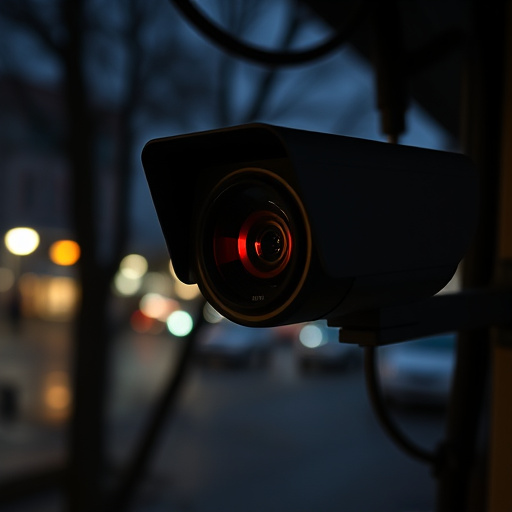
Smartphone apps and dedicated hardware offer hidden camera detection solutions. Apps provide accessible tools with real-time feeds, visual aids, and analysis like CamScanner and HideCam Detector. Dedicated devices use advanced signal processing algorithms for more reliable identification. Combining both approaches mitigates risks, catering to professional and personal privacy concerns through features like alerts and cross-platform compatibility.
Uncover the unseen with our comprehensive guide on detecting hidden cameras using smartphones. In an era where privacy concerns are paramount, understanding the technology behind these covert devices is essential. This article delves into two key aspects: exploring various types and technologies of hidden cameras, and reviewing top smartphone apps designed for their detection. We offer a thorough comparison, analyzing both the effectiveness of these tools and user-friendly features, to help you navigate this modern-day enigma. Get ready to arm yourself with knowledge in the battle against hidden camera surveillance.
- Understanding Hidden Camera Kinds and Technology
- Smartphone Apps for Detecting Hidden Cameras
- Comparison: Devices' Effectiveness and Usability Features
Understanding Hidden Camera Kinds and Technology
Hidden cameras can range from tiny, nearly invisible devices to more obvious setups, each employing different technologies. Understanding these variations is key in detecting them effectively. Some hidden cameras use infrared (IR) LEDs for night vision, making them difficult to spot with the naked eye. Others may employ digital image sensors that capture video or still images, often disguised as everyday objects like pens, clocks, or even flowers. Advanced models can transmit footage wirelessly via Bluetooth or Wi-Fi, while more basic types store data locally on an SD card.
When it comes to detection, various methods exist. Smartphone apps have emerged as popular tools, leveraging sensors like cameras and microphones to scan for unusual activity. These apps compare real-time feeds with known patterns of hidden camera signatures. In a comparison of Hidden Camera Detection Devices, users often find that smartphone apps offer convenience and accessibility, but they may not be as reliable as dedicated hardware solutions that use advanced signal processing algorithms. Nonetheless, combining both approaches can provide a robust strategy for identifying and mitigating the risks posed by hidden cameras.
Smartphone Apps for Detecting Hidden Cameras
Smartphone apps have emerged as powerful tools in the quest to uncover hidden cameras, offering a convenient and accessible solution for privacy-conscious individuals. These applications leverage various sensors and camera technologies to detect and locate hidden surveillance equipment. One of the key advantages is their ease of use; users simply download an app, follow on-screen instructions, and let the technology do its work.
When comparing Hidden Camera Detection Devices, smartphone apps stand out due to their real-time feedback, visual representations, and sometimes even heat mapping capabilities. They often include features like live video analysis, motion detection, and frequency analysis to identify unusual patterns that could indicate a hidden camera’s presence. This accessibility has sparked a growing interest among consumers, who can now take matters into their own hands and ensure their personal spaces remain secure from covert surveillance.
Comparison: Devices' Effectiveness and Usability Features
When it comes to detecting hidden cameras using smartphones, various devices and apps are available, each with its own set of features and effectiveness. A direct Hidden Camera Detection Devices Comparison reveals that while some apps excel at identifying camera feeds through visual analysis, others rely on sound waves or magnetic fields. For instance, leading apps like CamScanner and HideCam Detector offer high accuracy rates, using advanced algorithms to scan for unusual light patterns indicative of hidden cameras.
In terms of usability, these devices vary widely. Some are straightforward to use, requiring users to simply point their smartphone at potential camera locations. Others demand more technical know-how, requiring users to interpret complex data or follow intricate step-by-step processes. Features like real-time alerts, privacy modes, and cross-platform compatibility further differentiate these tools, making some more suitable for professional security audits while others cater to individual privacy concerns.
In the ongoing battle against covert surveillance, smartphone applications have emerged as powerful tools for hidden camera detection. This article explored various types of hidden cameras and their underlying technology, highlighting the importance of awareness in today’s digital age. Through a comprehensive comparison, we analyzed different smartphone apps, examining their effectiveness and usability features. By comparing Hidden Camera Detection Devices, users can make informed decisions about which app best suits their needs, ensuring a safer and more private environment.